
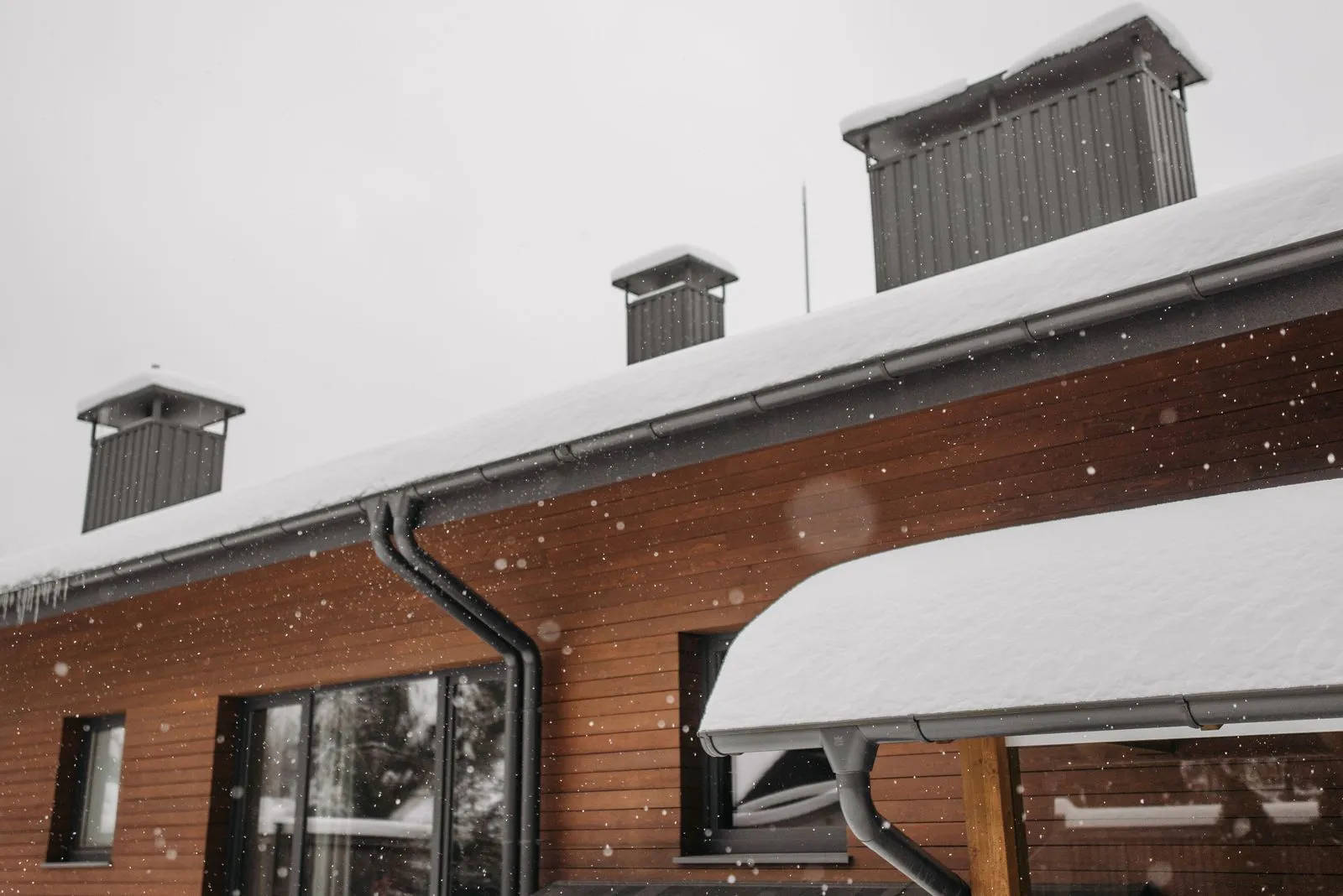
When rain spills over the edge of a gutter, it is easy to assume leaves are the only culprit. Debris is common, but blocked downpipes, poor drainage, or damaged sections can cause the same problem. Spotting where and when water overflows helps narrow down the cause. Here are practical checks to make from the ground, signs that need attention, and guidance on when to arrange a gutter inspection.
Debris and blockages
Leaves, twigs, seed pods, and roof grit can build up in gutters and restrict the path to the outlet. Water then backs up and spills over the edge, often during heavier rain. Look from the ground for visible buildup, plants growing in a gutter, or water overflowing at one spot. Do not climb a ladder or reach over a roof edge to investigate; a fall risk is not worth a closer look.
A blockage may sit out of sight near an outlet or inside a downpipe, even when the gutter looks clear from below. If overflow continues after visible debris is removed, or returns soon after cleaning, there may be a deeper obstruction. A professional can check the full run and outlets rather than treating only the spot where water becomes visible.
Downpipe and drainage problems
Downpipes carry collected water away from the roof. If one is blocked, disconnected, crushed, or draining into a restricted outlet, water can back up into the gutter. Watch from a safe position during rain: a downpipe that releases little or no water while its gutter overflows may need attention. Avoid inserting tools or using high-pressure water unless you know the pipe and connection can handle it.
Overflow can also happen when the roof sends more water into a gutter than its outlet or drainage setup can move away. This may show up only in intense rain, or at a corner where several roof sections meet. If water pours near a wall, doorway, or foundation, arrange a check promptly and note where it lands so the inspector can trace the route.
Slope, capacity, or damage
Gutters need a suitable slope toward their outlets. A sagging or poorly aligned section can hold standing water, collect sediment, and overflow before the rest of the system fills. From the ground, look for a section that appears bowed, detached, or visibly lower than nearby lengths. Do not try to push it back into place; the brackets or fixings may be loose or damaged.
Cracks, rust, separated joints, and impact damage can let water escape before it reaches a downpipe. A leak at a seam may look like an overflow, especially if water runs down the exterior wall. Gutters can also be undersized or poorly configured for a roof area. If the same section spills during ordinary rain, or you see staining, peeling paint, or water near the building, have the system assessed.
When to arrange an inspection
Arrange an inspection if overflow happens repeatedly, persists after safe removal of visible debris, or occurs alongside leaks, sagging, loose sections, or blocked downpipes. It is also sensible to get help if you cannot identify the source from the ground or the roofline is difficult to access. An inspection can check gutters, outlets, joints, alignment, and visible damage to distinguish a simple blockage from a repair issue.
Before booking, note which areas overflow, whether it happens in light or heavy rain, and where the water ends up. Photos taken from a safe location can help explain the problem. Keep clear of wet areas near power lines and do not use a ladder in windy or rainy conditions. Gutter Scout offers inspections in Adelaide; confirm availability and service details directly before arranging a visit.
Overflowing gutters usually point to a blockage, a drainage problem, or a section that needs repair or adjustment. Observe the symptoms from the ground, protect areas where water is pooling, and avoid risky roof access. If the issue keeps returning or you spot damage, arrange a professional inspection to identify the cause and plan the next step.